
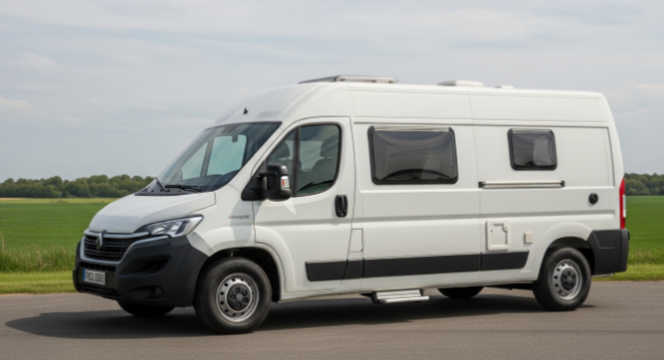
Hitting the open road with a four-legged companion is a dream for many travelers. The freedom to explore new trails, wake up to different views, and share those moments with your dog makes van life incredibly appealing. However, the success of the trip often hinges on the vehicle you choose. Not every van is built to handle muddy paws, shedding fur, or the safety requirements of a pet in transit. Selecting the right vehicle requires careful thought about both your needs and the comfort of your animal.
When you start looking for a vehicle, you will quickly realize that “pet friendly” means different things to different people. For some, it simply implies that dogs are allowed inside. For others, it means the space is specifically designed with animals in mind, featuring durable floors and secure tie-down points. You need to look beyond the label and inspect the actual features of the van. Consider how much space your pet needs to stretch out and sleep comfortably without blocking the main walkway.
Planning a road trip involves many moving parts, but securing the right transport is arguably the most critical step. If you are new to this style of travel, opting for a professional Pet Friendly Camper Van Hire can save you from many headaches. Testing out a rental allows you to see what features work best for your specific breed before you commit to a purchase or a long-term rental. It gives you a chance to see if your dog prefers a fixed bed setup or if they are happy on the floor, and how they handle the motion of a larger vehicle.
Assessing Your Journey Requirements
Before selecting a camper van, it is important to understand the type of travel you plan to undertake. Are you looking for short weekend trips or extended vacations? Will you mainly be exploring rural landscapes, coastal routes, or urban areas? The answers to these questions help determine the size, layout, and features your camper van should have.
Consider how many people and pets will be traveling with you. A larger vehicle might offer more space and storage, but it may also be harder to maneuver on narrow roads. Conversely, a compact van can make parking and driving easier but may require more careful organization of space and belongings. By assessing your travel habits and destinations, you can narrow down your options and focus on vans that meet your specific needs.
Key Features to Look For in a Pet Friendly Camper Van
When looking for a vehicle suitable for both humans and pets, comfort and safety should be a top priority. Pet friendly camper van hire often includes vans that are designed or modified with pet safety in mind. Features to consider include:
- Dedicated Pet Space: Look for areas where your pet can rest safely during travel. This may include secured crates, benches with seat belts, or a designated sleeping area.
- Ventilation and Temperature Control: Pets are sensitive to extreme temperatures. Good ventilation, windows, and climate control are essential for keeping your companion comfortable.
- Easy-to-Clean Interiors: Accidents can happen, so choose a van with durable, washable surfaces and removable mats to make cleaning simple.
- Accessible Storage: Pets require additional items such as food, water, toys, and bedding. Vans with extra storage compartments or under-seat spaces help keep the interior organized.
- Outdoor Access: Some camper vans include side doors, ramps, or foldable steps, making it easier for pets to enter and exit safely.
Size Matters: Matching the Van to the Dog
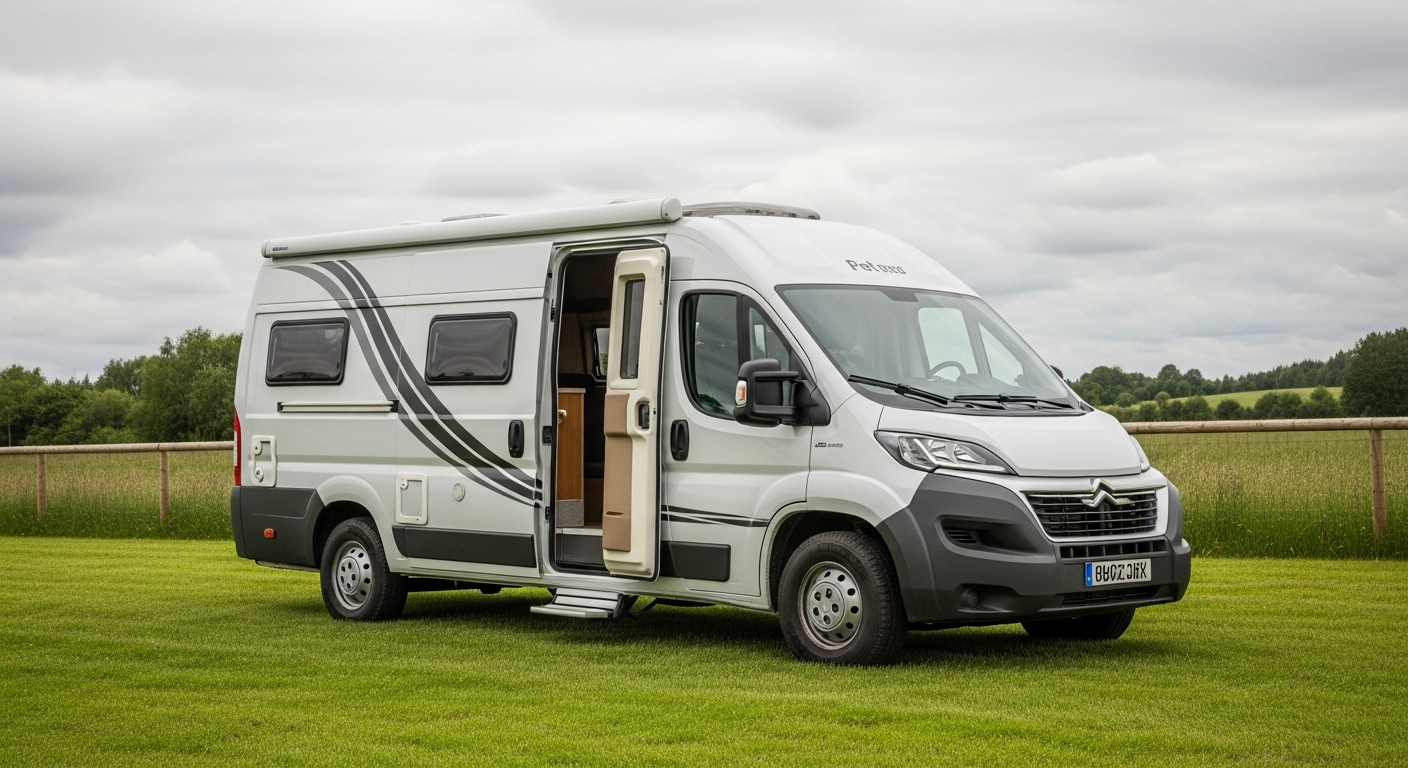
The size of your camper van should correlate directly with the size and number of pets you are bringing along. A couple traveling with a small Jack Russell might be perfectly comfortable in a compact VW Transporter. The dog can curl up on the passenger seat or a small bed in the back without taking up valuable living space. Maneuvering a smaller van is also easier on narrow country lanes, which opens up more remote camping spots.
On the other hand, if you are traveling with a Great Dane or two energetic Labradors, a compact pop-top simply will not cut it. You will need a larger conversion or a motorhome-style layout. Large dogs need floor space to lie down flat. If the van is too narrow, you will find yourself constantly stepping over your dog to get to the fridge or the bathroom. This can become frustrating very quickly, especially on rainy days when you are all stuck inside. Look for long-wheelbase models that offer that crucial extra few feet of interior floor space.
Choosing the Right Amenities
Modern camper vans offer a variety of amenities to make your journey comfortable and convenient. While some travelers prioritize cooking facilities and beds, others may focus on entertainment, solar power, or shower options. When traveling with pets, consider the following:
- Water Supply: Pets need a steady supply of fresh water. Vans with larger water tanks or external taps are advantageous.
- Food Storage: Portable coolers or built-in fridge compartments can help keep pet food fresh during long trips.
- Exercise Options: Look for vans that provide space for pets to stretch, or plan your route to include frequent stops at parks or open areas.
- Ease of Cleaning: Removable cushions, floor mats, and washable covers help maintain hygiene, especially for long journeys.
The Floorplan Factor: Layouts That Work for Paws
Beyond sheer square footage, the actual layout of the interior makes a massive difference in livability. One of the most popular layouts for pet owners is the fixed rear bed with a “garage” storage area underneath. This setup often provides a perfect, den-like space under the bed where a dog crate can be secured, or a large dog bed can be placed. It keeps the dog out of the main walkway while giving them a safe, enclosed space to relax.
Avoid layouts with complex folding beds that require you to move furniture around every night. If your dog is asleep on the floor, the last thing you want to do is disturb them to fold out a rock-and-roll bed. Fixed beds or drop-down beds are generally superior for pet owners because the floor space remains accessible even when the bed is in use. Also, consider the height of the entry step. Older dogs may struggle with high clearances, so a van with a lower side step or a ramp attachment point is a thoughtful feature to look for.
Durable Surfaces and Cleaning Considerations
Van life with pets inevitably involves dirt. Whether it is sandy paws from the beach or muddy coats from a forest hike, your van needs to be able to withstand the elements. When inspecting a potential van, pay close attention to the flooring material. Carpet is generally a poor choice for pet owners. It traps odors, hair, and moisture, making it difficult to keep the space smelling fresh.
Vinyl or high-quality laminate flooring is ideal. These surfaces can be swept out quickly and wiped down with a damp cloth. They are also resistant to scratches from claws. Look for upholstery that is equally robust. Leather or high-grade vinyl seats are easier to clean than fabric, which acts like a magnet for dog hair. If the van has fabric seats, check if the covers are removable and washable. Darker colors are generally more forgiving than light creams or greys when it comes to hiding the inevitable marks of travel.
Climate Control and Ventilation
Temperature regulation is a serious safety concern when traveling with animals. Unlike a house, a vehicle can heat up or cool down rapidly. Good insulation is your first line of defense. A well-insulated van will keep the interior cooler in the summer and warmer in the winter. Ask about the insulation grade and whether the van has thermal blinds for the windows.
Ventilation is equally important. Roof fans are essential for keeping air moving, especially if you ever need to leave your pet alone for a short period (though this should always be done with extreme caution). MaxxAir fans or similar models that can remain open in the rain are fantastic additions. Some modern vans also come with diesel heaters. These are invaluable for winter trips, ensuring your pet stays warm through the night without draining the vehicle’s battery.
Safety on the Move
How you secure your pet while driving is just as important as their comfort when parked. A loose dog in a moving vehicle is dangerous for both the animal and the driver. In the event of sudden braking, an unsecured pet becomes a heavy projectile. The perfect camper van should have designated anchor points where you can attach a crash-tested harness or secure a travel crate.
Look for heavy-duty D-rings bolted to the chassis or floor. These are often found in the rear cargo area or near the passenger seats. If you use a crate, ensure there is a space where it can be wedged securely so it does not slide around corners. Some bespoke conversions even build crates directly into the cabinetry, which is the gold standard for safety and space efficiency.
Storage for Pet Gear
Your dog comes with baggage. You need space for food, bowls, leads, harnesses, coats, towels, toys, and a first-aid kit. In a small space, this gear can quickly create clutter. Look for vans that offer dedicated low-level storage. Drawers near the floor are perfect for food bowls, so you can slide them away when not in use.
External storage is also a huge plus. If you have a wet, muddy dog, having an outdoor shower point or a hose attachment at the rear of the van allows you to wash them off before they enter your living space. A dedicated hook for drying wet dog towels and coats near a heater outlet or in a well-ventilated area is another small detail that makes a big difference in daily life.
Preparing Your Pet for the Journey
Even with the perfect camper van, preparation is key. Gradually acclimate your pet to the van before a long trip. Short practice drives help them get used to the sounds, vibrations, and confined space. Pack familiar items such as their bed, favorite toys, and blankets to provide comfort and reduce anxiety.
Feeding schedules should also be adjusted. Avoid heavy meals right before travel to prevent motion sickness, and always have fresh water available. Regular breaks for stretching and bathroom needs are equally important for maintaining your pet’s health and comfort.
Why Smiles 4 Miles Campers is Your Best Choice
Choosing the right vehicle sets the tone for your entire holiday. It turns a logistical challenge into a seamless adventure. When you have the right setup, you stop worrying about the mud and the space, and you start focusing on the sunrise and the walk ahead.
We understand that pets are family. We don’t just tolerate pets; we welcome them. Our fleet is curated with adventure in mind, featuring robust layouts, durable surfaces, and the safety features necessary to keep your companions secure. Whether you need a compact adventurer or a spacious home on wheels, we can help match you with the vehicle that fits your pack. Visit our website to view our range and start planning a trip that every member of the family will enjoy.
Final Thoughts
Selecting the right pet friendly camper van ensures that both you and your furry companion enjoy a safe, comfortable, and memorable journey. From understanding your travel needs to evaluating safety features and amenities, every decision contributes to a smoother experience on the road.
We specialize in providing a range of Pet Friendly Camper Van Hire options, designed to accommodate pets of all sizes and personalities. With well-equipped vehicles, thoughtful layouts, and a commitment to customer satisfaction, we make it easy for you to plan adventures that include every member of your family. Explore the freedom of the open road while keeping your pet safe and happy with a camper van tailored to your needs.
FAQ’s
1. What makes a camper van truly pet friendly?
A pet friendly camper van goes beyond simply allowing pets on board. It includes features like dedicated pet spaces, durable and easy-to-clean interiors, secure tie-down points or crates, good ventilation, temperature control, and convenient storage for pet gear. These elements ensure your pet stays safe, comfortable, and happy throughout the journey.
2. How do I choose the right size camper van for my pet?
The size of the van should match the size and number of pets traveling with you. Small dogs may be fine in a compact van, while larger breeds require more floor space to stretch out comfortably. Assess your pet’s needs and consider layouts that provide clear walkways and dedicated sleeping areas.
3. Are there specific safety features I should look for when traveling with a pet?
Yes, safety is critical. Look for anchor points for harnesses or crates, non-slip flooring, and secure storage for pet gear. Built-in crates or designated pet areas help prevent injuries during sudden stops or rough terrain. Roof ventilation and climate control also contribute to your pet’s safety.
4. Can I test a pet friendly camper van before committing to a long trip?
Absolutely. Opting for professional Pet Friendly Camper Van Hire allows you to try out different layouts and features. You can see if your dog prefers a fixed bed setup or enjoys floor space, and assess how they handle motion during travel. This trial helps ensure a smooth experience before a long-term rental or purchase.
5. What additional amenities should I consider for traveling with pets?
Consider vans with ample water storage, food storage compartments, and easy-to-clean surfaces. External washing points, hooks for towels, and spaces for exercise and play enhance comfort. Planning for frequent stops and incorporating these amenities ensures a stress-free journey for both you and your pet.